Water Safety and Autism Toolkit
Proudly Supported by

Water Safety and Autism Toolkit
Proudly Supported by

Proudly Supported by
Proudly Supported by
It is an astounding statistic that people with Autism are 160x more likely to drown than their neurotypical peers. Because of this, we have worked alongside our partners at the Autism Society of America to create a series of resources to support families living with Autism every day, to support their safety around water. This is only the beginning, as we will be adding resources to this Toolkit, not only for the Autism community but to support water safety for All Abilities.
For families and caregivers of autistic individuals, preparing for time around water includes considering your loved one’s individual needs. The Autism and Water Safety Toolkit offers practical resources to help you establish clear pool rules, prepare for unfamiliar environments, and build safer routines around water. With guidance on wandering prevention, comfort items, supervision, and emergency preparedness, these tools can help you plan for safer, more enjoyable experiences together, whether you are visiting a pool or heading out on a family vacation.

Display these visual reminders to reinforce safer habits around the pool.
Know what to ask, bring, and check before and during your visit.
Continue building your family’s water safety knowledge with resources from NDPA, the Autism Society of America, and Swim Angelfish. Explore practical guidance on wandering prevention, water safety for all abilities, and supporting your loved one’s individual needs.

Conor Greenlief was eight years old and brought a quiet kind of joy to the people who loved him. He had beautiful curly hair, an unforgettable smile, and a way of connecting that never required words. Through his expressions, his touch, and the little things he did, Conor had his own way of letting you know exactly what he was feeling. He faced challenges throughout his life with remarkable strength and resilience, and he was deeply, completely loved.
Conor’s life deserves to be remembered for who he was and for what his story can teach us. If sharing his life helps another family better understand autism, water safety, supervision, and prevention—and helps even one child come home safely—then Conor continues to make a difference. His legacy is part of why this work matters: for Conor, and for every child like him.


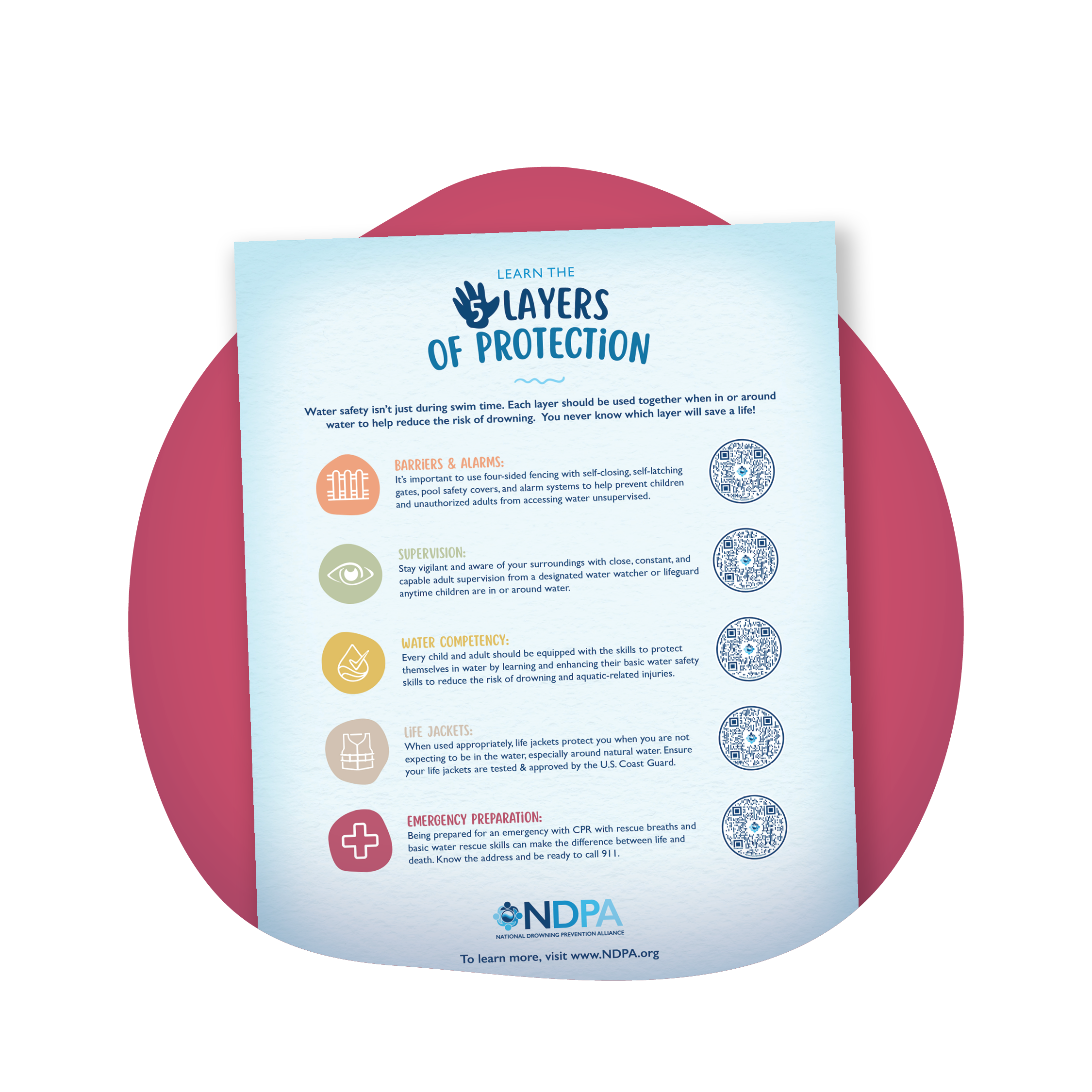
It's important to use four-sided fencing with self-closing, self-latching gates, pool safety covers, and alarm systems to help prevent children and unauthorized adults from accessing water unsupervised.Learn More

Stay vigilant and aware of your surroundings with close, constant, and capable adult supervision from a designated water watcher or lifeguard anytime children are in or around water.Learn More

Every child and adult should be equipped with the skills to protect themselves in water by learning and enhancing their basic water safety skills to reduce the risk of drowning and aquatic-related injuries.Learn More

When used appropriately, life jackets protect you when you are not expecting to be in the water, especially around open water. Ensure your life jackets are tested & approved by the USCG.Learn More

Knowing how to prepare for an emergency with CPR training with rescue breaths, and basic water rescue skills can make the difference between life and death. Have a phone available and ready to call 911.Learn More
We are committed to providing families with the tools they need to keep their children safe around water. Take advantage of these valuable, free resources to educate yourself and others on the importance of water safety.
For the best download experience, please download from your desktop computer.
Use these shareable blogs to help expecting and new parents learn about safer bath time routines, home water safety preparation, and early water safety habits. These resources make it easy to start conversations, raise awareness, and support families from the very beginning.
Share them on your website and social media channels, or print them for doctors’ offices, parenting groups, and community spaces that support growing families.
 https://ndpa.org/wp-content/uploads/2024/05/swimming-should-be-the-first-sport.jpg 415 738 LesleyJean https://ndpa.org/wp-content/uploads/2021/10/NDPA_Logo_RGB_ForWeb.png LesleyJean2024-05-02 16:52:062026-04-08 14:45:04Why Swimming Should Be The First Sport
 https://ndpa.org/wp-content/uploads/2023/09/bath-safety-tips.jpg 415 738 LesleyJean https://ndpa.org/wp-content/uploads/2021/10/NDPA_Logo_RGB_ForWeb.png LesleyJean2023-09-21 09:00:002026-04-08 14:43:435 Bath Safety Tips Every Caregiver Should Know
 https://ndpa.org/wp-content/uploads/2022/01/NDPA-Blog-Posts-4.png 415 738 Chrystal Wise https://ndpa.org/wp-content/uploads/2021/10/NDPA_Logo_RGB_ForWeb.png Chrystal Wise2023-01-01 09:06:112026-04-08 14:44:09January Is National Bath Safety Month
 https://ndpa.org/wp-content/uploads/2019/07/2.png 415 738 NDPA Admin https://ndpa.org/wp-content/uploads/2021/10/NDPA_Logo_RGB_ForWeb.png NDPA Admin2019-07-05 07:00:472026-04-08 14:44:455 Water Safety Facts